The Hidden Cost of Decisions That Seem Right Today
The first result of a decision can look like success while concealing its later costs. Learn to examine second-order consequences before making important choices.
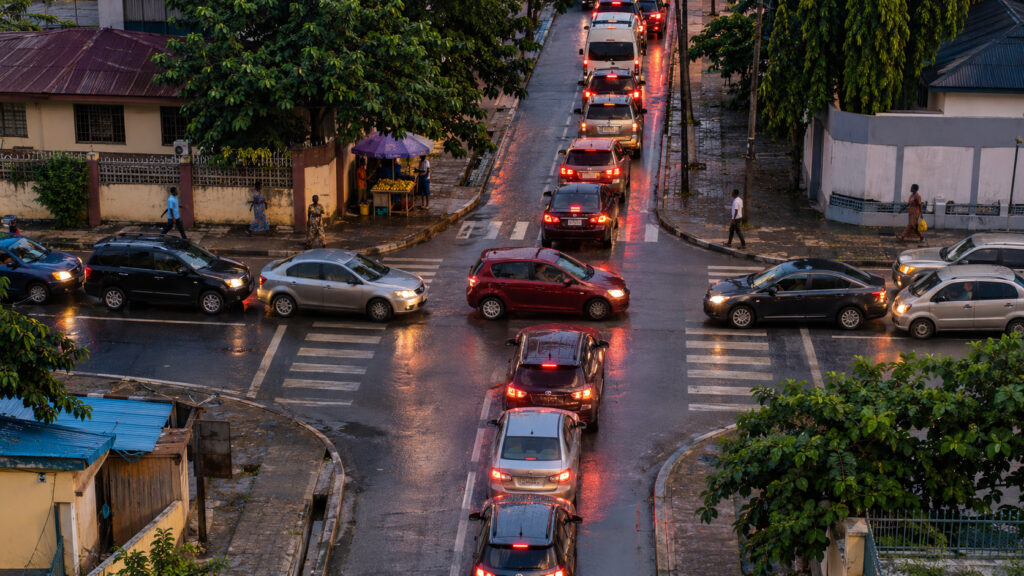
Some decisions do not fail immediately. They succeed first, making their later costs easier to overlook.
Consider a congested road junction. The traffic light turns green, but the road ahead has not cleared. A driver sees enough space to move into the junction and decides to take it. For a moment, the decision feels sensible. The car has moved forward.
Then traffic stops. The light changes. Vehicles from the other direction cannot pass because the first car is now blocking the intersection.
The driver was trying to escape congestion. The decision has helped create more of it.
The immediate result was movement; the next was obstruction. Judging the decision only by the few metres gained would miss the delay it helped create.
The first consequence is not the whole story
Many decisions have effects that unfold in stages.
A young professional accepts another project. The immediate benefit is extra income. The second consequence may be less time for existing clients. The third may be missed deadlines or a decline in quality. Eventually, the reputation that attracted the extra work may suffer.
Accepting the work could still be a good decision if there is enough capacity to deliver it. Its value depends on what the additional commitment changes, as well as what it pays.
The same applies to promises made under pressure, money borrowed to cover an emergency, and jobs accepted because the salary looks attractive. The immediate benefit matters. So do the obligations and trade-offs it creates.
This habit of looking beyond the first outcome is often called second-order thinking.
It means asking what might happen after the obvious result, while recognising that those later effects are possibilities rather than certainties.
Success creates consequences too
People frequently examine what could go wrong. Fewer questions are asked about what happens if everything goes right.
Suppose a small business suddenly doubles its customer orders. The obvious interpretation is success. But can its suppliers keep up? Can its staff maintain quality? Can its cash flow support fulfilment before payments arrive? If not, unexpected growth can damage a business that was functioning comfortably at a smaller scale.
Or consider someone who actively wants a promotion. A higher salary and new title may be desirable. Yet the role could involve supervising former colleagues, taking responsibility for a team's mistakes and making decisions with incomplete information. The opportunity is real, and so are the new demands.
Evaluating the opportunity means looking at the new responsibilities alongside the reward.
Build a consequence ladder
Before making an important choice, try a simple exercise.
First consequence: What happens immediately? Write down the benefit you expect. Be specific. “I receive more income” is clearer than “My life improves”.
Second consequence: What changes because of that? Extra income from additional projects may mean less time, more delivery pressure and new obligations.
Third consequence: If those changes continue, what becomes harder or easier? Consider your relationships, capacity, reputation, finances and future options.
Reversibility: If the decision goes badly, how difficult will it be to undo? Some mistakes cost an afternoon. Others create debt, damage trust or close off opportunities.
Evidence: Which assumptions are you treating as facts? A projected sales figure or an informal promise can feel more certain than the evidence warrants. Identify what is confirmed, what is estimated and what you still need to check.
Likelihood: Which consequences deserve the most attention? A possible outcome is not automatically a probable one. Focus on consequences that are reasonably likely or serious enough to justify a precaution.
Turn that thinking into an adjustment. Before taking an extra project, map the work already promised, allow time for revisions and consider a smaller first commitment. The purpose of looking ahead is to improve the decision you make now.
Think far enough ahead to act
The hardest decisions are not always between good and bad. Often, they are between an attractive present and an uncertain future.
A decision can be useful, necessary and imperfect at the same time. Sometimes an immediate solution is the only realistic option available. Not everyone has the financial or personal freedom to choose the ideal long-term path.
Set a decision deadline proportionate to the stakes. A reversible choice may need a short check; a difficult commitment deserves more investigation. Looking ahead should help you act with a clearer understanding of the risks.
The next time an opportunity looks too good to question, pause and ask: What happens after I get what I want?
A decision is not necessarily wise because it solves today's problem. Its wisdom also depends on the future it helps create.
For more on the questions I use to examine decisions, explore How I Think.